
Education Supplies


Innovating Science™ Density: Lava Lamp


Make your own lava lamp while learning. Innovating Science™ Density: Lava Lamp is ideal for teaching the concepts of denisty.
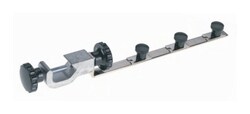
Pendulum Clamp
Usual for experiments.

NewPath Learning™ Climate Student Learning Guide with Online Lesson

An ideal blended learning solution for use in the classroom or for remote learning/home study.

LaMotte™ BrewLab™ Test Kit
LaMotte™ BrewLab™ is an economical, easy-to-use test kit to measure the mineral content of water by monitoring essential water quality factors for better home-brewed beer.

NewPath Learning™ Photosynthesis and Respiration Student Learning Guide with Online Lesson
An ideal blended learning solution for use in the classroom or for remote learning/home study.

LaMotte™ Digital Tap Water Tour
A classroom investigation of how and why the characteristics of tap water can vary and affect everyday activities.

NewPath Learning™ Providing Fuel and Transportation to the Body Student Learning Guide with Online Lesson
An ideal blended learning solution for use in the classroom or for remote learning/home study.

Walter Products™ Human Skull Model with Muscles
This 3 part model has numerical markings for easy identification of the cranial bones, sutures and muscles

Basic Black Light Fingerprint Kit
For use with fluorescent fingerprinting techniques.

NewPath Learning™ Lungs 3-D Model Kit
Assemble and use 3-D models to visualize and investigate key science structures.

Innovating Science™ Distance Learning: A Safer Flame Test
Uses small candles for an easy to manage, safe flame test for students

NewPath Learning™ Human Brain 3-D Model Kit
Assemble and use 3-D models to visualize and investigate key science structures.

NewPath Learning™ Elements & the Periodic Table Flip Chart with Online Multimedia Lesson
Combine illuminating graphics and write-on/wipe-off exercises with multimedia lessons to master key physical science topics.

Original Crime Scene Gear Fingerprint Kit
Comprehensive kit includes essential equipment for every crime scene.

Walter Products™ Lymph Node Model
This colorful model is made of durable plastic and is incredibly detailed.